
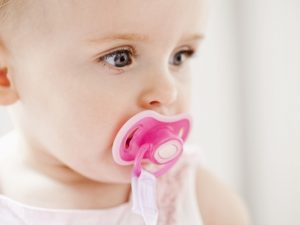
Are pacifiers a must-have item for a baby? While it may not be a necessity, it does have its pros, but with every pro comes a con. It’s almost instinctual to soothe your little one with a pacifier when they start crying, provided that reason is not because of a hungry tummy or a wet diaper; deemed as an easy fix to console a crying baby. A pacifier should act as a distraction only when needed rather than an essential, if or when a pacifier becomes part of your baby, weaning the pacifier from your baby can be an uphill struggle for both parent and baby. Take a look at the good, the bad, and the ugly aspects a pacifier can bring to your baby, the decision on whether your baby requires a pacifier or not solely depends on you and your baby.
The Good

Let’s begin on a positive note with everything good that a pacifier can do for both you and your baby. A pacifier works wonders on keeping a baby calm and content, but apart from just that, a pacifier actually has a lot more to offer than what meets the eye.
Lowers The Risk Of SID (Sudden Infant Death)

To this day, the cause of SID is still unknown, but it has been linked to maternal risk factors and other physical factors such as respiratory infections, brain defects, and babies born with lower birth weights. Researchers have concluded that babies that suck on a pacifier during naptime or bedtime are less likely to experience the chances of SID, the cause of SID, and how a pacifier help with this disorder, however still, remains a mystery. The simple act of sucking on a pacifier or their thumb as they sleep cuts the risk of SID. This poorly understood disorder is concerning whether your baby is at risk or not, but with proven studies by researchers, having your little one fall asleep with a pacifier in their mouth may leave you in heartsease.
Soothing Ability

Babies have the natural need to suck on something; even when they’re itty bitty in the womb, they suck on their thumbs. Being bottle-fed or breastfed usually soothes this need but it does linger even after mealtime, pacifiers do the trick to satisfy their need to suck on something. However, they may confuse mealtime with the pacifier so ensure pacifier-time does not come in between their meals. Pacifiers can quickly calm babies that are a little on the fussy side, helping them keep their feelings in control. Similar to that of a security blanket, a binkie does the same thing; relaxing little ones and encouraging their sense of security. Pacifiers stop a baby in their tracks when they’re crying or feeling discomfort, place one in their mouths and you’ll have a happy baby on your hands. They also help your baby learn how to self soothe from the pacifier alone and not have to rely on mommy or daddy to calm them down, a definite win-win situation.
Temporary Distraction

A pacifier can serve as a useful distraction; they come in handy when your baby needs to get a shot or during a doctor’s visit. Give them their binkie when they start crying, it’ll calm their nerves, and they’ll feel safer as they suck on the pacifier.
A Sleeping Aid

A pacifier can help your baby fall asleep and keeping them down the entire sleep time. They may wake up mid nap, but with the pacifier in their mouths, they tend to go back right to sleep knowing they’re comforted and secure. The more time your little one’s asleep, the more time you can get some shut-eye too.
The Bad
With the endless benefits pacifiers can bring, they also bring a number of long term disadvantages along with your little one as they get older.
Interferes With Breastfeeding

When a baby relies on their pacifier to satisfy their need to suck on something, they get so used to a silicon rubber nipple than the real thing, making it a lot harder to latch on when breastfeeding. Pacifiers get in the way of how your baby latches on, and as they face difficulties with this, it causes breast problems such as plugged milk ducts, sore nipples, and engorgement. The more your baby nurses, the more breast milk you’ll produce but with your baby barely nursing, it causes a slower development of breast milk and a decrease in your baby’s weight from the limited milk being fed.
An Unbreakable Bond

Your baby may get overly attached to a pacifier, and when it comes to the day of taking it away, it’s going to be impossible. Some babies have the need for the pacifier to be in their mouths all the time and if ever you try to take it away, your baby will cry uncontrollably which will only have you giving the pacifier back. Even if you try and take it away despite the crying, they will find other ways to soothe themselves by sucking on their thumb and that’s a habit that is harder to rid of than their attachment to their binkie.
Ear Infection
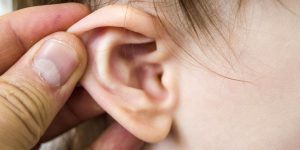
When your baby continuously sucks on their pacifier, their auditory canals become more open than usual; this allows secretions from the throat to enter the ear and the bacteria that are in the secretions can lead to an ear infection. According to a study, those who rely on pacifiers are two times more likely to get ear infections than those who don’t.
The Ugly

Too much a good thing can be bad, and when your little one grows with that strong attachment to their pacifier, they will take that habit with them even when they get a lot older. They can’t hold on to the pacifier forever, but they’ll progress to thumb sucking even when they’re well into their teenage years, and sometimes into adulthood, the habit becomes ingrained. Pacifiers also cause damage to your little one’s teeth structure, and they’ll need braces when they’re older to set them back.