
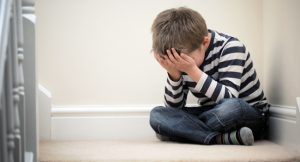
The growing spread of the pandemic has shaken us to the very core, stressing about the uncertain outcome, compelled to the painstaking months of quarantine and living in constant fear of catching the virus and unknowingly passing it on to our loved ones. As we do all we can to curb the pandemic and try to make the most out of this situation, fear of the unsettling situation is inevitable. Fear and anxiety about the virus can result in overwhelming stress and cause strong emotions in adults and young children alike. Even as we try to keep our young ones away from scary news and terrifying conversations that we’ve decided to keep secret from them, curiosity and fear in children are bound to happen anyway; they’re especially vulnerable in times of chaos.
With schools closed, we take for granted that our children are happy and emotionally secure. Children react to fear differently; it depends on their age and emotional development; children also pick up on fear and anxiety from their parents. They may or may not show signs of distress. Nevertheless, it is important to have sensitive, open conversations with them which involve answering their questions, ensuring them that loved ones are safe and cope with their troubled feelings. It is foremost, to take notice of the signs of stress and to deal with it before it worsens.
Difficulties sleeping

The reason for this varies, it can be that your child has been contemplating about the pandemic or the lack of engaging activities to tire them out for bedtime. It is vital to speak to your child about the virus with a positive note, understand their worries and reassure them, particularly if you notice signs of contemplating. Arranging engaging, fun and tiresome activities for your child to partake in daily will not curb unhealthy sleeping patterns; it will also distract your child from worrying.
Change in eating pattern

A loss of appetite is associated with stress and anxiety; it becomes fairly obvious when your child does not want to eat their favourite foods. The situation may have taken its toll on your child, causing them to feel stressed, worried and anxious. Not being to play outside, hang out with friends and being cooped up at home can all be causes of the changed eating pattern in your child. Speaking to your child about their worries and reassuring them is the first step any parent should take, followed by arranging video calls with their friends and loved ones, so they’ll be comforted knowing that they are safe as well. It’ll calm your child and relieve their stress having to speak to their loved ones after months of isolation.
Difficulties focusing and with concentration

Losing concentration or focus is a sign of stress and anxiety. Your child’s focus strays away and can’t’ seem to have a hold on what they’ve just been told or asked to do. Keep to a routine with scheduled bedtimes, wake up and academic times. Try and fill the schedule with fun, engaging activities to keep your child away from negative thoughts; it will also prevent your child from the endured stress. A scheduled routine will keep your child focused and concentrated on something other than the pandemic.
Acting out

Acting out is a coping mechanism to stress and unwanted feelings. If you notice your child always throwing tantrums, crying excessively and getting irritated; given that it’s more than usual can be signs of stress-induced actions. A child can feel agitated and irritated being cooped up at home, having limited to no outdoor playtime. Children who are overwhelmed with stress and anxiety will occasionally act out aggressively.
Other common signs include:

Wetting their beds or toileting accidents – Behaviours they have outgrown.
Unexplained headaches and body aches
Clinginess – They find comfort in you and as a sense of relief.
Thumb sucking – It comforts them
Nightmares
Prevention is always better than the cure, diffuse the situation even before you notice signs. Sit them down and speak to them about it, plan a scheduled routine and engage them in physical activities. Your children look to their parents as role models, try to stay calm and positive, especially when the children are present. Understand the situation and don’t blow the situation out of proportion, we can curb the pandemic if we remain calm and practice social distancing.
How to speak to your child?
Children aged five and under

Sit down with your child and be sure to speak with a calm tone of voice. Keep the message brief, using simple words they can understand. End on a positive note, bring attention to the fact that grown-ups are doing all they can to keep the world safe and protected.
Children aged six and above

Sit your child down with you and begin by asking what they already know about the virus. Clarify misinformed details with accurate information, remember to keep to a positive tone. Talk about their worries, ease and reassure them from their fears. Remind them that the whole family will get through the pandemic safely and that this time is the perfect opportunity to spend quality family time.
What to tell your children about the Coronavirus?
The Coronavirus makes people sick, and we must stay at home, where the virus cannot get to us. Use words that children may understand better like our house is a fort, and the Coronavirus is an invisible enemy. Teach them to wash their hands with soap to prevent the virus and to keep us safe. Enlighten them on the noble front-liners who are working hard to ensure the people around the world remain safe. Mention that they are doing their part by staying at home and keeping their hands sanitized.
The COVID-19 pandemic is a scary time for the world, and it is essential to know that the negative feelings that we face are normal. We need to shelter our children from this pandemic by keeping their spirits lifted, safe and away from negativity.