
 Sleep is essential for everyone, more so for babies during early childhood development as it has a direct impact on their physical and mental development. Therefore, we should know all we can about babies sleep and the necessary knowledge to handle certain situations while understanding your baby’s sleep pattern and the crucial bits about baby’s sleep that you must know for your baby’s sake and yours. Here:
Know why sleep is vital for babies
First, you need to understand why you must pay close attention to what we will discuss subsequently on your baby and sleep. Therefore, as I have earlier told you, sleep helps for their physical and mental development. However, there are more. These more includes:
- Sleep protects your baby from vascular damages by circulating the artery walls and stress hormone. In essence, sleep helps keep babies’ hearts safe.
- Sleep also helps beat germs. This fact might be a bit surprising, but while babies sleep, their bodies produce cytokines which fight off illness and infection caused by germs.
- More so, babies develop an increased attention span when they sleep more, study reveals. Sleep helps to relieve fatigue, and kids with fatigue tend to be easily distracted and impulsive.
- We have here probably the most important; babies are less likely to injure themselves when they are sleeping. See, two for one. They get to be both healthy and injury-free.
Bear in mind that all babies sleep differently
Yes, babies sleep patterns differs due to several reasons; here’s a list of possibilities that affects a baby’s sleep pattern:
- Environment – This is the most common reason why some babies sleep better than others
- Temperature
- Noise
- Bedding
- Stimulating activities
- Habits & practices
- Food consumption
- Clothing
- Sick or in pain
If you are having problems putting your baby to bed, you might want into the above list that could be more likely to be the potential cause.
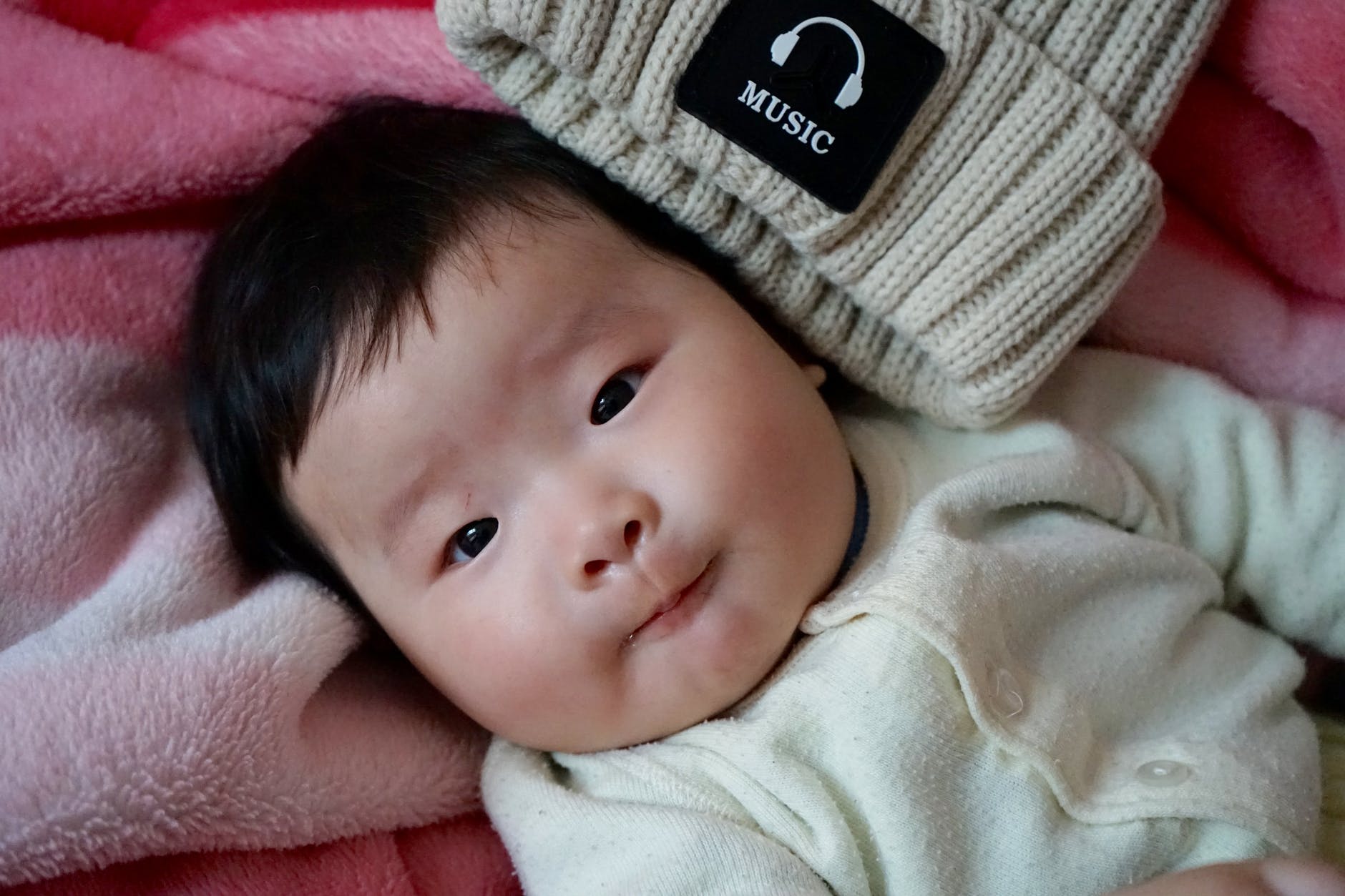
Source: Pixabay
Know how long your baby is expected to sleep
Another thing you need to bear in mind is how long your baby is expected to sleep. The differentiation is down to how old your baby is. However, there is one basic rule that you should also know, and that is your baby gets less sleep the older they become.
The hours noted down here are a combination that of sleep at nights and napping during the day. Here is a brief breakdown of the essential sleep duration for babies depending on their age.
- Newborns sleep for around 16 hours a day.
- 1-month-old babies sleep for 15 hours plus 30 minutes
- While 3 months old bank in 15 hours every day
- 6 months old babies should sleep as long as 14 hours daily
- For 9 months olds to 2 years, 13 – 14 hours is enough.
Bear in mind that these are the expected time babies need to sleep. Other things like illness or the environment could either stretch it or shorten it.
What you can do to get them to fall asleep
Every parent is familiar with the effort it takes to get a baby to sleep, which often happens at night. Babies are fickle and beautiful beings, but most of the time, they demand too much from their caregiver just to fall asleep. However, putting some of this into practice will help.
- Create a routine for the day around your baby and ensure you stick to it. When they know that before you put them to bed, you change their diapers, they get the hint and soon fall into a slumber. It will serve as a cue for next time and the time after that
- Playing soft and slow music will help them fall into sleep soon enough The music will soothe them
- Tucking them into bed yourself can go a long way for your baby to fall asleep easily
- Accompany them a while after they fall asleep. The is because they often wake up soon enough after falling asleep. Staying with them will help.
- Also, you should consider doing regular checks on their sleeping position. The best sleeping position that would help them sleep better and longer would be when they sleep on their back.
When are to know they are ready to fall asleep
Another thing to keep in mind is that babies usually give off signs that they want to sleep. It is another thing we need to be familiar with, to know when exactly to put into practice how to put them to sleep. When you see these signs, get to work.
- When they start fussing
- When they begin rubbing their eyes now and then
- They look drowsy and blink their eyes slow
- When they are unusually quiet especially staring at nothing in particular
How they should sleep
After they give off the signs and you manage to get them to sleep, the next thing you should know is how you can lay them to bed. The way babies sleep doesn’t just impact their sleep but also their health. That is why you have to check up on them once in a while.
They could roll into their arms, sleeping on it, which will likely hurt when they wake up. For newborns, their sleep position is important because they don’t know yet how to roll into a comfortable position, unlike older babies. Nonetheless, here are a few things that will help you out:
- Experts have concluded that the best position would be to lay your baby on his or her back when putting them to bed, this will be beneficial both health-wise and for their sleep
- Don’t put anything else on their crib. Remove everything in their crib when you want to lay them to bed. They might roll into a bad position because of a toy laying around, for instance, you never can tell.
- It is vital to keep them away from smokers as it can result in Sudden Infant Death Syndrome, SIDS.
Understanding separation anxiety
More importantly, know what separation anxiety is and understand that this is typical for babies. Separation anxiety happens when babies become suddenly anxious about being away from their parents. The signs usually range from changes in sleep patterns to crying when separated from their parents. Other signs you will notice includes:
- Crying when you leave
- They wake up crying
- Clinging to parent until sleep comes
This situation usually occurs when you conclude that your baby has a steady sleep pattern. However, it changes. So, now you know what to expect and know there is absolutely nothing wrong with your baby.
Dealing with yourself and your baby’s sleep
As I said, babies can be demanding, and we forget about ourselves while we are at it. Just as your baby sleep is imperative that you need to look out for, you still have to keep yourself in mind. Because the healthier you are, the better for your baby. Try to incorporate some of these in your day:
- Drink lots of water to keep your system going.
- Exercise to stay sharp and active.
- Take naps as much as you can, to give your body it required hours of sleep.
- Limit your caffeine intake as it will help you sleep, especially during the day.
- Sleep while your baby sleeps, however, not immediately. Nonetheless, ensure you wake up to check on your baby.
Remember, the right amount of sleep is crucial for everyone and more so for babies as it will affect their growth, habitual upbringing and health. Share with us your thoughts and some of the troubles you are facing with your baby’s sleep.